
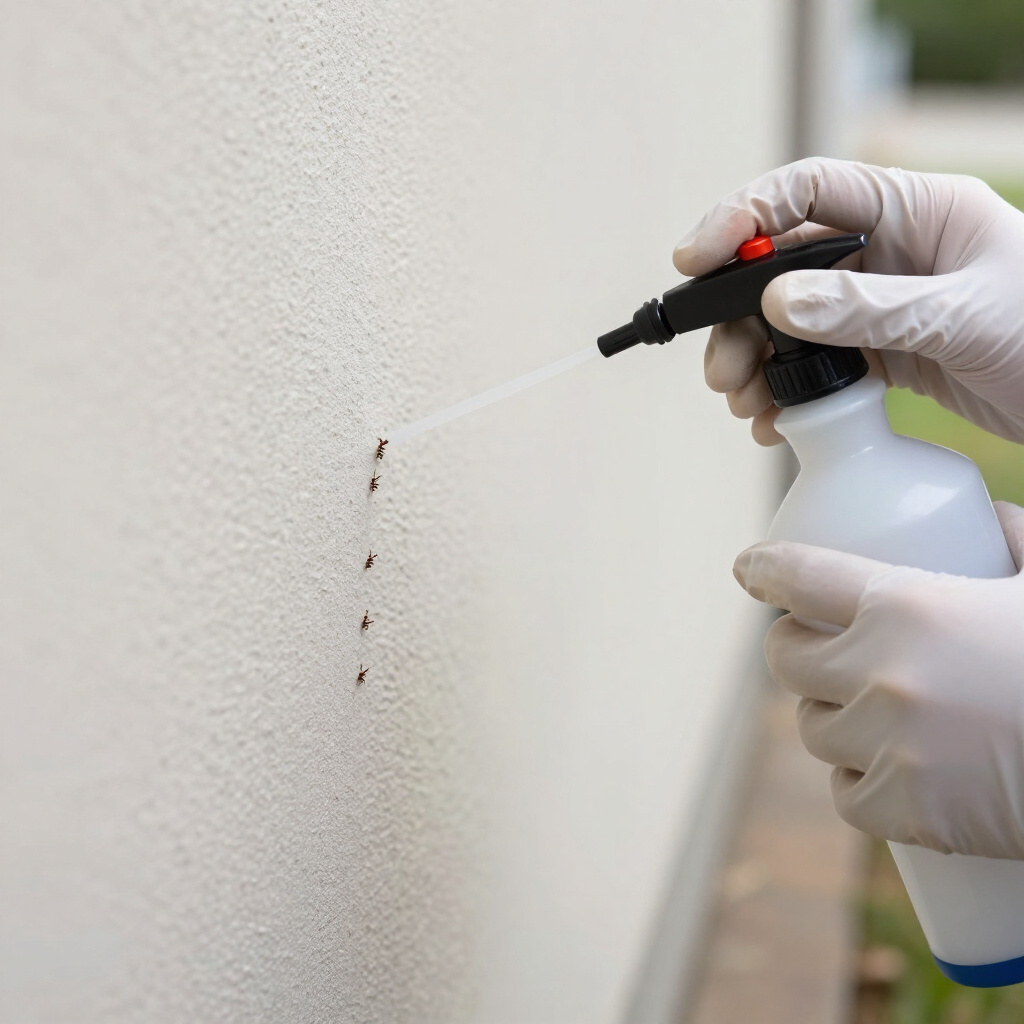


Pest Control Services in Homer, AK
Living on the southern Kenai Peninsula means dealing with a unique pest environment shaped by Homer's coastal climate, abundant moisture, and proximity to wilderness areas. Our pest control services address the specific challenges that Homer residents face throughout the changing seasons.
Year-Round Protection for Coastal Homes
The maritime influence around Kachemak Bay creates conditions that attract moisture-loving pests. Carpenter ants remain particularly active in Homer's older wood-frame homes, while spiders seek shelter as temperatures drop. Mice and voles become persistent problems when snow blankets the ground, often finding entry points through gaps in foundations and around utility lines.
Seasonal pest patterns in Homer differ from interior Alaska. Spring brings emerging wasp queens looking for nesting sites in eaves and outbuildings. Summer sees peak mosquito activity near wetlands and tidal flats. Fall triggers rodent migration indoors. Winter demands vigilance against overwintering pests in crawl spaces and attics.
Commercial Pest Management
Homer's fishing industry, tourism businesses, and restaurants require specialized pest prevention programs. Food handling facilities need HACCP-compliant solutions. Lodging properties benefit from bed bug monitoring and rapid response protocols. Processing plants must meet strict sanitation standards while managing attractants inherent to their operations.
Integrated Pest Approaches for Rural Properties
Homesteads and remote properties around the Homer area often need comprehensive wildlife management alongside traditional pest control. We address conflicts with bears attracted to unsecured waste, porcupines damaging structures, and seabirds nesting in unwanted locations—all while respecting the ecological sensitivity of the region.
Frequently Asked Questions About Pest Control in Homer
What pests are most common in Homer, Alaska?
Carpenter ants top the list for structural damage, followed by mice and voles seeking winter shelter. Spiders, including hobo spiders and giant house spiders, frequent damp basements and crawl spaces. Wasps build paper nests in eaves and outbuildings during summer. Mosquitoes thrive near the area's abundant wetlands. Bed bugs occasionally spread through tourism traffic. Coastal properties may also encounter seabirds and occasional bear visits related to attractants.
How does Homer's coastal climate affect pest activity?
The moderated temperatures around Kachemak Bay extend the active season for many insects compared to interior Alaska. Higher humidity levels support spider populations and wood-decay fungi that attract carpenter ants. Milder winters mean fewer pest die-offs, leading to larger spring populations. However, the consistent moisture also means pests rarely experience the desiccation stress seen in drier climates, so they remain active longer and seek indoor shelter less predictably.
When should Homer homeowners schedule preventive pest treatments?
Early spring (April-May) provides the best window for establishing perimeter barriers before carpenter ants swarm and wasp queens begin nesting. Fall (September-October) treatments focus on sealing entry points and placing rodent prevention measures before snow drives mice indoors. Properties with chronic carpenter ant issues may benefit from mid-summer inspections when satellite colonies become visible. Year-round monitoring programs suit remote properties and commercial facilities with zero-tolerance requirements.
Are pest control methods safe for homes near Kachemak Bay waters?
We prioritize low-impact and targeted applications, particularly important given Homer's sensitive marine environment. Exterior perimeter treatments use microencapsulated formulations that bond to surfaces and resist runoff. Bait-based strategies for ants and rodents minimize broadcast spraying. Interior treatments focus on crack-and-crevice applications rather than area fogging. For properties near the Homer Spit or tidal zones, we select products with favorable aquatic toxicity profiles and adjust application timing away from rain events.
How do you handle wildlife conflicts unique to the Homer area?
Bear-aware practices form the foundation—we identify and eliminate attractants before recommending any deterrent measures. For persistent bear issues, we coordinate with Alaska Department of Fish and Game guidelines. Porcupine damage to siding and outbuildings receives exclusion-based solutions. Seabird nesting in vents or structural cavities requires humane removal following migratory bird regulations. Our approach emphasizes prevention and habitat modification over lethal control whenever feasible, recognizing Homer's position within important wildlife corridors.