
Some homeowners pride themselves on handling every household problem alone. A leaky faucet? You've got a wrench for that. Scuffed walls? Fresh paint cures all. But pests operate by different rules entirely. They hide where you can't see, multiply faster than you expect, and often carry risks that extend far beyond a simple nuisance. Knowing when to call a pest control professional can save you time, money, and significant stress down the road. The key is recognizing the difference between a minor, one-time intrusion and a situation that demands trained expertise.
When to Call a Pest Control Professional for Persistent Infestations
The most obvious signal that you need expert help is persistence. If you've set traps, sealed entry points, and cleaned diligently—yet you're still spotting droppings, hearing scratching in walls, or waking up with bites, the problem has likely outgrown DIY solutions. Pests such as rodents, cockroaches, and bed bugs are notoriously resilient. They adapt to storefront repellents, learn to avoid traps, and establish nests in inaccessible areas of your home.
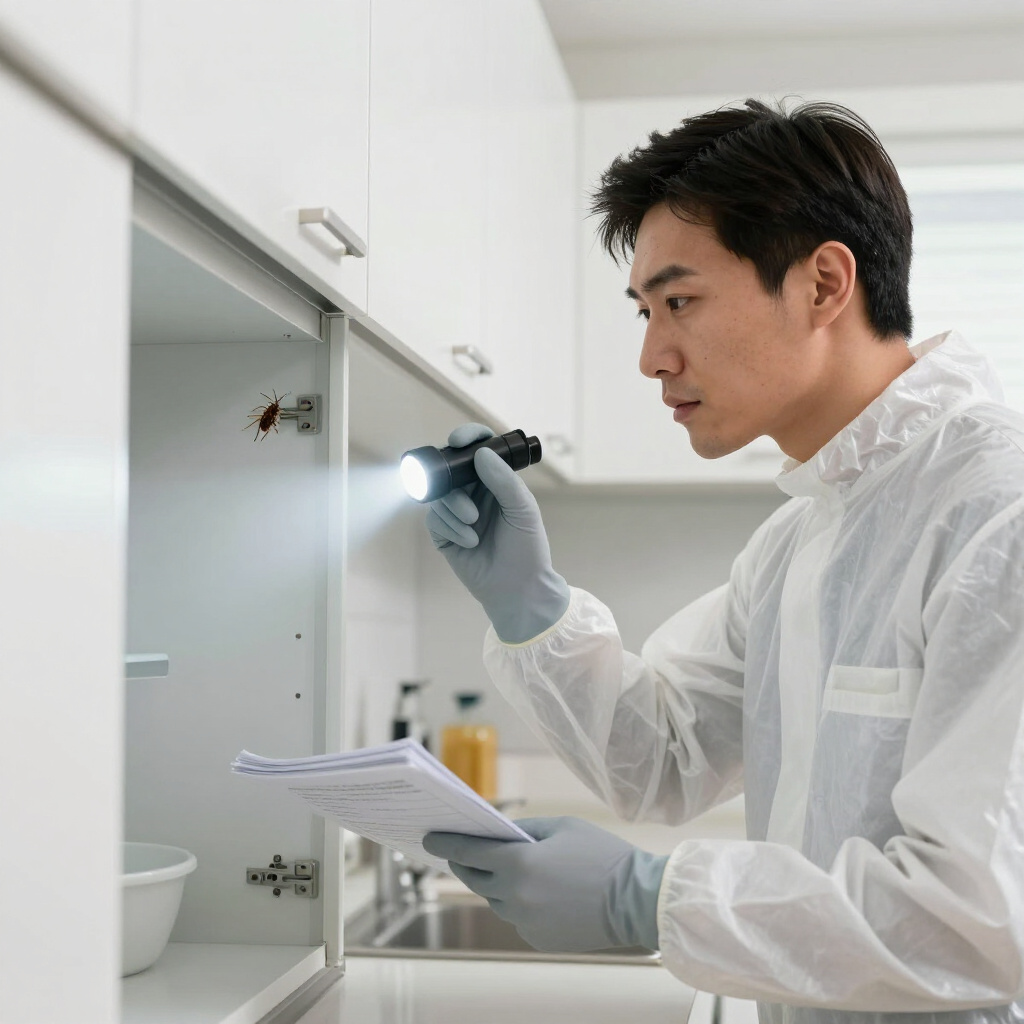
A professional brings more than stronger products to the table. Pest control technicians understand pest behavior, breeding cycles, and the subtle signs of hidden colonies. They can identify whether you're facing one invader or an established population, then tailor a treatment plan accordingly. When over-the-counter solutions fail repeatedly, continuing to experiment wastes money and allows the infestation to deepen. This is exactly when to call a pest control professional—before the problem becomes entrenched and exponentially more difficult to resolve.
Situations Where Safety and Health Risks Demand Expert Intervention
Certain pests pose immediate dangers that make professional intervention non-negotiable. Stinging insects like wasps, hornets, and yellow jackets become aggressively defensive when their nests are disturbed. Attempting removal without proper protective equipment and techniques can result in serious injury, particularly for individuals with allergies.
Similarly, rodents and cockroaches contaminate food surfaces and spread pathogens that trigger asthma and allergic reactions. Their droppings and shed skins degrade indoor air quality over time. Wildlife intrusions—bats, raccoons, or skunks nesting in attics or crawl spaces—introduce rabies risks, parasites, and structural damage from gnawing and waste accumulation.
Even pests that seem merely unpleasant, like carpet beetles or clothes moths, can destroy valuable belongings if left unchecked. When health, safety, or significant property damage enters the equation, professional assessment eliminates guesswork and ensures appropriate protective measures.
Key Tips for Deciding Between DIY and Professional Help
Before committing to either approach, evaluate your situation honestly. Consider these practical guidelines:
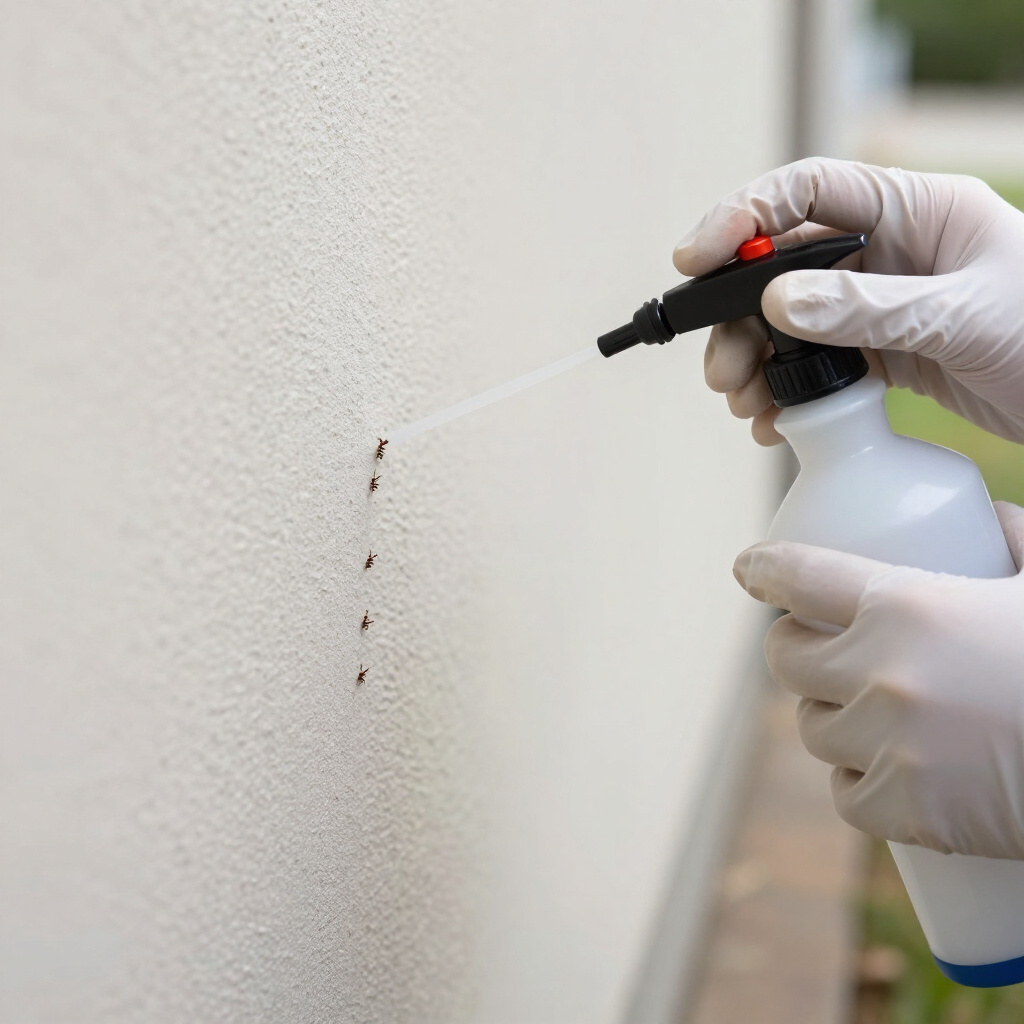
Assess the scope. One stray ant near your patio door differs dramatically from trails marching across kitchen counters day after day. Limited, isolated sightings often respond to simple elimination and prevention. Widespread activity signals established foraging paths and likely nesting nearby.
Know your pest. Correct identification matters enormously. What resembles a harmless house spider might actually be a brown recluse. Treatment effective for one ant species fails completely against another. Professionals identify accurately, then apply species-specific solutions rather than generic broad-spectrum approaches.
Consider your living situation. Families with young children, elderly residents, or pets face tighter constraints around chemical treatments. Professionals access targeted application methods and integrated pest management strategies that minimize exposure risks while maintaining effectiveness.
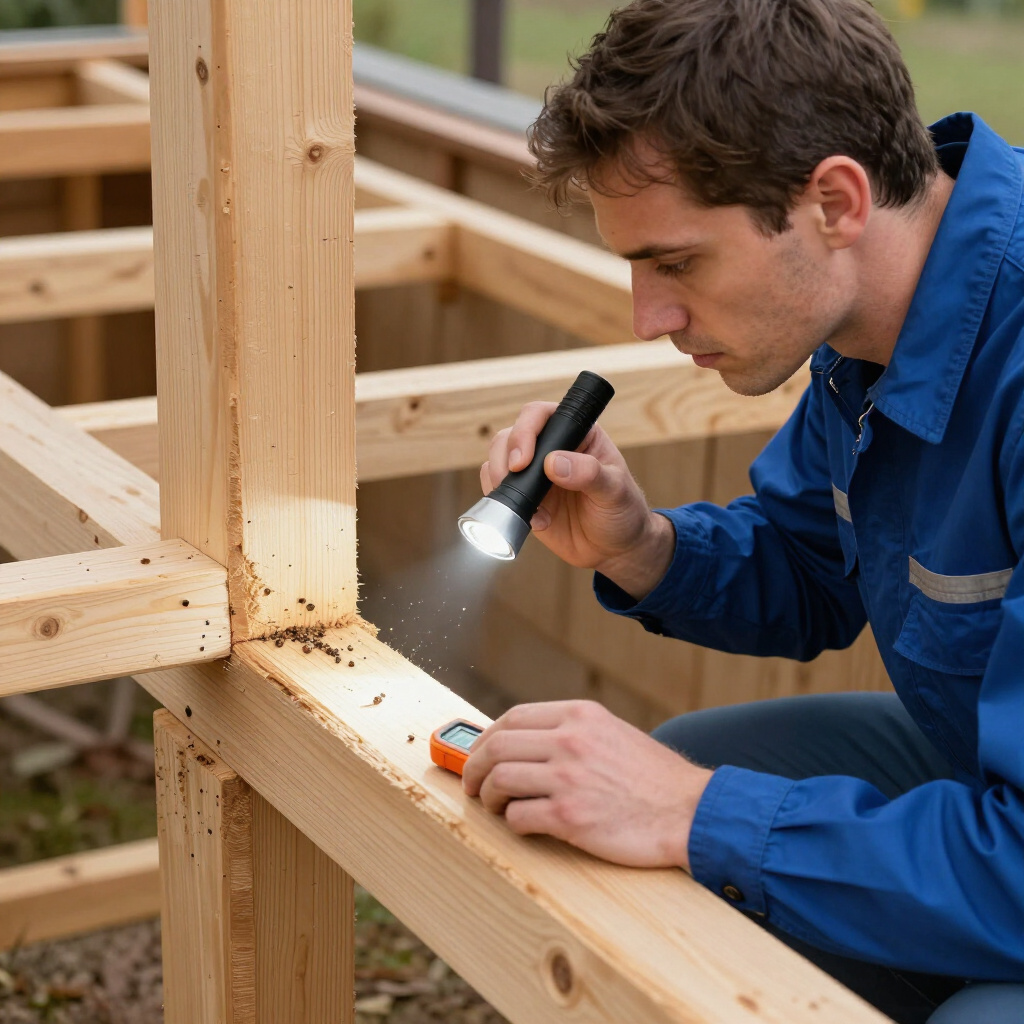
Evaluate hidden damage. Termites and carpenter ants silently compromise structural integrity long before visible evidence appears. By the time you notice sagging floors or hollow-sounding wood, extensive damage may already exist. Annual professional inspections catch these threats early, when intervention costs remain manageable.
Factor in your time and stress. Researching treatments, purchasing supplies, applying products repeatedly, and monitoring results consumes substantial energy. For busy households, professional service often proves more efficient and ultimately more economical than prolonged DIY struggles.
Recognize recurring seasonal patterns. If the same pest returns every spring or fall despite your prevention efforts, underlying vulnerabilities exist that you haven't addressed. Professionals identify structural gaps, moisture problems, or landscaping issues that repeatedly invite intrusion.
Final Thoughts
The decision to hire a pest control professional isn't about admitting defeat—it's about applying the right resource to the right problem. Minor, clearly identified, one-time issues often resolve with attentive homeowner action. But when infestations persist, spread, or involve health and safety risks, expert intervention protects your home and family most effectively.
Trust your observations. Multiple failed treatments, escalating activity, or any situation that makes you uneasy warrants professional consultation. Most reputable companies offer inspections that clarify your options without immediate commitment. When you recognize when to call a pest control professional, you gain peace of mind knowing the job will be handled thoroughly, safely, and with lasting results.