

Termites are silent destroyers that can cause extensive damage to your home before you even realize they're there. Unlike other pests that announce their presence with bites, buzzes, or droppings in plain sight, termites work quietly behind walls, beneath floors, and inside wooden structures. By the time many homeowners notice the signs, significant damage may already be done. Learning to recognize the early warning signs you may have termites can save you thousands of dollars in repairs and protect the structural integrity of your biggest investment.
Early Signs You May Have Termites in Your Home
The first indicators of a termite problem are often subtle, which is why regular inspection matters so much. One of the most telling early signs you may have termites is the presence of mud tubes along your foundation walls, crawl spaces, or exterior surfaces. These pencil-width tunnels are built by subterranean termites to maintain moisture while they travel between their colony and food sources. Break one open, and you may see active termites inside.
Another early warning is discarded wings near windowsills, doorways, or light fixtures. Swarming termites shed their wings after mating flights, typically in spring. These wings are all the same size and often found in small piles. If you spot this, it means a mature colony is nearby and possibly already established within your home.
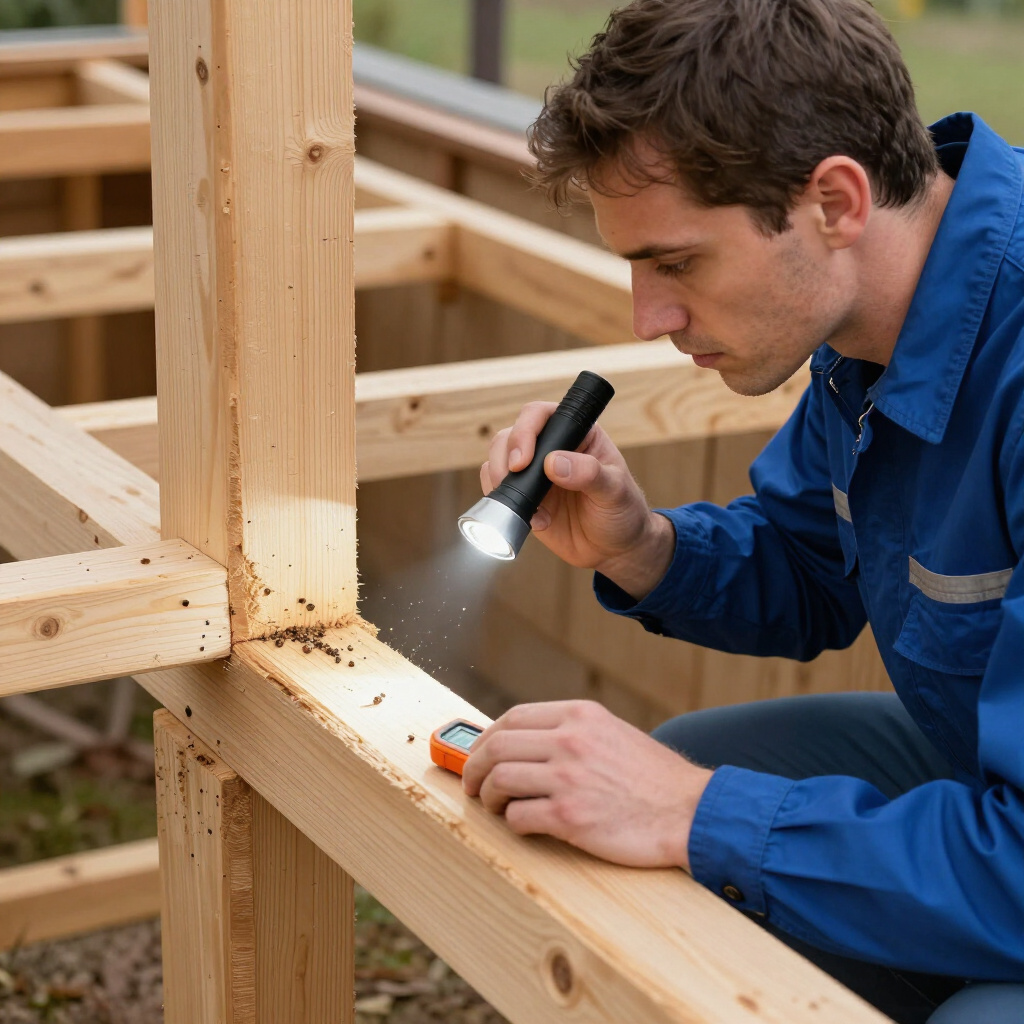
Hollow-sounding wood is another red flag. Tap on baseboards, window frames, and wooden floors with the handle of a screwdriver. Solid wood produces a dull thud; damaged wood sounds hollow or papery. You may also notice blistering or darkening on wood surfaces, which occurs when termites eat tunnels just beneath the finish layer.
Structural and Visual Damage to Watch For
As termite infestations progress, the damage becomes more apparent. Sagging floors and ceilings often indicate that support beams have been compromised. Doors and windows that suddenly stick or no longer close properly can signal frame warping from moisture and internal wood damage. These changes sometimes happen gradually enough that homeowners adjust to them without recognizing the underlying cause.
Cracked or bubbling paint deserves attention too. Termites introduce moisture into wood as they feed, which can cause paint to distort. Some homeowners mistake this for water damage, but in the absence of plumbing leaks or roof problems, termites become the likely culprit. Similarly, tiny holes in drywall with bits of soil or debris nearby suggest termites are pushing material out of their tunnels.
Outside your home, check for damaged or hollowed trees and wooden fences. Termites often establish in outdoor wood before moving indoors. Wood that crumbles easily when probed with a tool has likely been extensively tunneled. Even mulch beds placed too close to foundations can create bridges for termites to access your home's structure.
Key Tips for Protecting Your Home
Prevention and vigilance are your strongest defenses against termite damage. Start by eliminating moisture problems around your property. Repair leaking faucets, clogged gutters, and poor drainage that keeps soil near your foundation consistently damp. Termites require moisture to survive, and reducing it makes your home less inviting.
Maintain proper clearance between soil and wooden portions of your home. Wood siding, door frames, and deck posts should sit at least six inches above ground level. Remove wood debris, old stumps, and stored lumber from against your exterior walls. These materials attract termites and provide hidden pathways into your structure.
Schedule professional inspections annually, even if you see no obvious problems. Pest control professionals have the training and tools to detect activity in inaccessible areas like crawl spaces, wall voids, and attics. They can also identify conducive conditions you might overlook and recommend targeted treatments before infestations escalate.
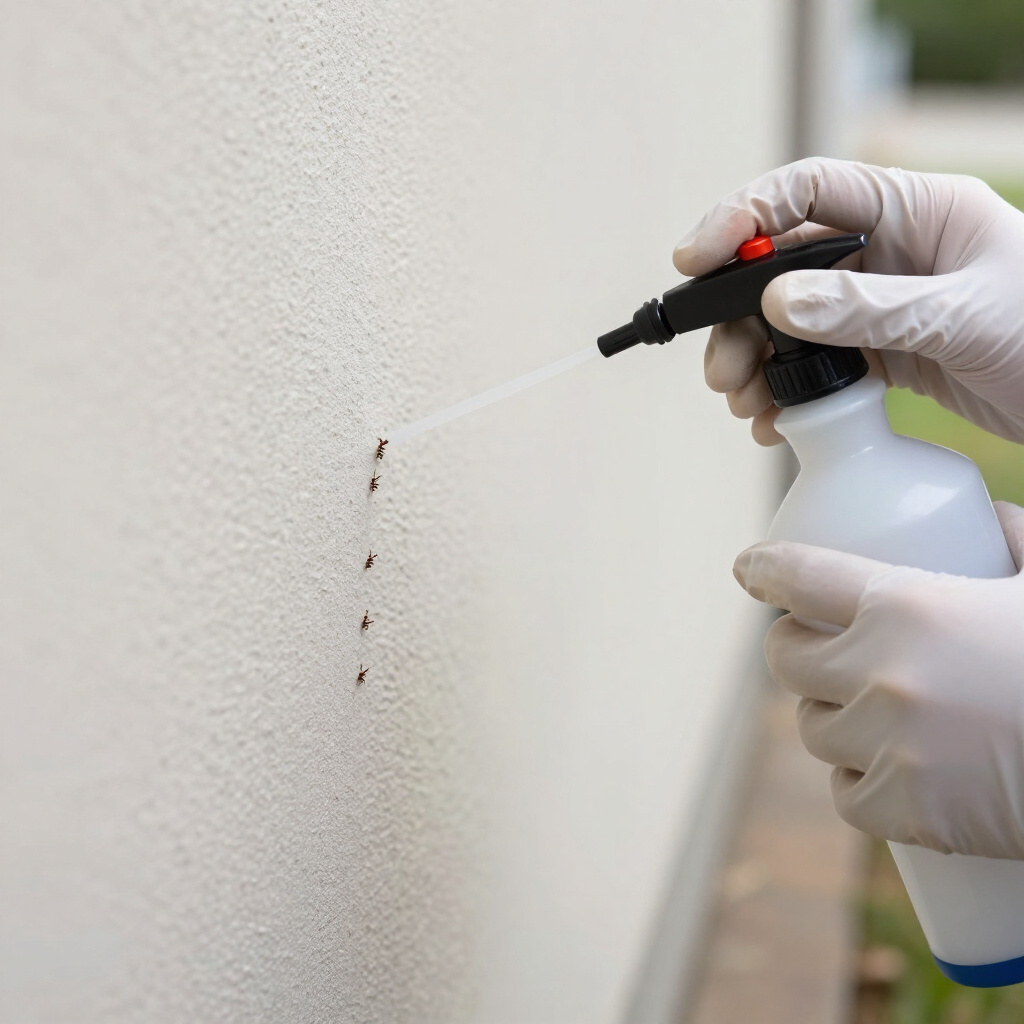
If you discover signs of termites, resist the urge to handle treatment yourself. Store-bought sprays may kill visible termites but rarely reach the colony queen or the extensive tunnel networks. Effective termite control requires specialized products and application methods that professionals tailor to your specific situation and termite species.
Final Thoughts
Termites cause more property damage across the country than fires and storms combined, yet standard homeowner's insurance rarely covers their destruction. This reality makes early detection absolutely essential. By understanding the signs you may have termites and taking preventive action, you position yourself to catch problems before they spiral into costly structural repairs. Watch for mud tubes, discarded wings, hollow wood, and moisture-related distortions. Reduce conducive conditions around your property. And partner with qualified pest control professionals who can provide thorough inspections and effective, lasting solutions. Your home represents years of hard work and financial commitment; protecting it from hidden threats is one of the wisest investments you can make.