
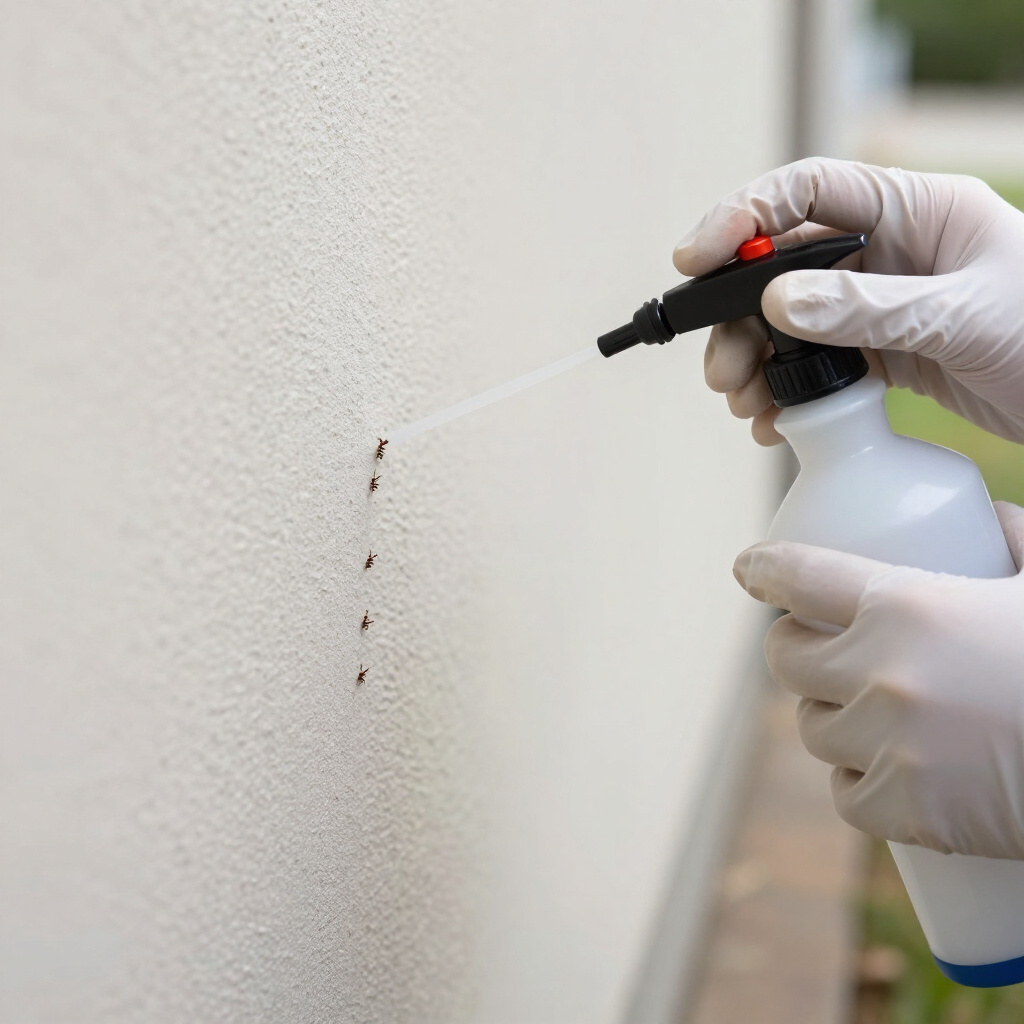


Your home goes through changes with every season—and so do the pests trying to get inside. What works in March won't cut it in August, and a quiet winter can suddenly turn into a rodent invasion if you're not prepared. Instead of reacting to pest problems after they happen, smart homeowners stay one step ahead with a proactive, season-by-season approach. This seasonal pest control checklist will help you protect your home all year long, saving you stress, money, and the headache of dealing with full-blown infestations.
Spring: Seal Entry Points and Address Moisture
As temperatures rise, pests emerge from their winter hiding spots and start looking for food, water, and mates. Ants, termites, spiders, and wasps become especially active during spring, making this the ideal time to fortify your home's defenses.
Start by inspecting your home's exterior for cracks, gaps, and damaged screens. Pay close attention to areas where utilities enter your home, as these are common entry points for ants and other crawling insects. Replace weatherstripping around doors and windows, and ensure your foundation vents are properly screened.
Moisture control is equally critical in spring. Clean your gutters and downspouts to prevent water from pooling near your foundation. Fix any leaky outdoor faucets and grade soil away from your home to reduce humidity that attracts termites, silverfish, and cockroaches. If you have a crawl space, consider adding a vapor barrier to keep moisture levels in check.
Spring is also prime time for wasp queens to establish new colonies. Walk your property weekly and knock down any early nests while they're still small and unoccupied. Early intervention prevents much bigger problems later in summer.
Summer: Focus on Outdoor Prevention and Yard Maintenance
Summer brings peak pest activity. Mosquitoes, fleas, ticks, flies, and stinging insects thrive in the heat, turning your backyard into a battleground if you're not vigilant. Your seasonal pest control checklist should shift heavily toward outdoor maintenance during these months.
Keep your lawn mowed and landscaping trimmed back from your home's exterior. Overgrown vegetation provides highways for ants, spiders, and rodents to reach your walls and roofline. Remove leaf litter, stacked firewood, and other yard debris where pests harbor. Store firewood at least twenty feet from your home and elevate it off the ground.
Standing water is your biggest enemy in summer. Mosquitoes need only a bottle cap of water to breed, so empty birdbaths, flowerpot saucers, kiddie pools, and clogged gutters regularly. If you have ornamental ponds, consider adding mosquito fish or a circulating pump to prevent larvae from developing.
Outdoor trash management matters too. Use bins with tight-fitting lids, clean them periodically, and position them away from doors and windows. For persistent mosquito or flea problems, targeted yard treatments applied by professionals can provide meaningful relief without harming beneficial pollinators when used responsibly.
Fall: Block the Winter Rush
As days shorten and temperatures drop, pests sense the coming cold and scramble to find winter shelter. Rodents, stink bugs, boxelder bugs, and cluster flies all attempt to move indoors during fall, making this your last chance to seal your home before the invasion begins.
Conduct a thorough exterior inspection, paying special attention to the roof. Repair damaged shingles, fascia boards, and soffits. Install chimney caps and screen attic vents. Check where your roof meets walls—these junctions often develop gaps that rodents exploit.
Inside, focus on eliminating food sources that might sustain overwintering pests. Transfer pantry items to airtight containers. Clean behind appliances where crumbs accumulate. Address moisture issues in basements and crawl spaces, as damp environments attract silverfish, centipedes, and springtails seeking refuge from cooling outdoor temperatures.
Don't overlook your garage. Many pests enter through this transitional space before making their way into living areas. Install door sweeps, seal cracks in the floor, and store pet food in sealed containers rather than open bags.
Winter: Monitor and Maintain Indoor Vigilance
Winter might seem like a reprieve, but it's when indoor pest issues often reveal themselves. Rodents that entered in fall become active in walls and attics. Cockroaches and spiders may appear in basements and utility rooms. Pantry pests like Indian meal moths and weevils can emerge from stored food products during the holiday baking season.
Regular monitoring becomes your most important tool. Check attic spaces, basements, and crawl spaces for droppings, gnaw marks, or nesting materials. Listen for scratching sounds in walls, especially at night. Place snap traps or monitoring stations in garages, basements, and near known entry points—not to handle a full infestation, but to catch early intruders before they multiply.
Maintain your home's interior barriers. Keep kitchen counters clean, store food properly, and don't let dirty dishes sit overnight. Even in winter, pests need food and water to survive. Remove these essentials and they cannot establish themselves.
Winter is also an excellent time to schedule a professional inspection. With reduced foliage, technicians can more easily spot structural vulnerabilities and previous pest damage that summer greenery concealed.
Key Tips for Year-Round Success
Consistency separates effective pest management from constant frustration. Here are foundational practices that support your seasonal pest control checklist throughout the year:
First, establish a documentation habit. Keep notes about when and where you spot pest activity. Patterns emerge over time—you might notice ants always appear after heavy rain, or wasp nests consistently form in the same eave. This intelligence helps you anticipate and prevent problems rather than just responding to them.
Second, resist the temptation of over-the-counter foggers and broad-spectrum sprays for every issue. These often scatter pests deeper into walls without solving the underlying problem, and they can harm your family and pets when misapplied. Targeted approaches based on proper identification yield better results with less risk.
Third, involve your household. Pest control isn't one person's job. Teach family members to report sightings promptly, to seal food properly, and to follow basic sanitation practices. Even small lapses—like a teenager's snack stash in a bedroom or pet food left out overnight—can undermine your broader efforts.
Finally, know when to call professionals. DIY maintenance handles prevention beautifully, but active infestations involving termites, bed bugs, or established rodent colonies require expertise, proper equipment, and warranties that protect your investment. The cost of professional intervention almost always beats the expense of repairing pest-related damage left unchecked.
Final Thoughts
Effective pest control isn't about winning a single battle—it's about maintaining consistent pressure through every season. Your home faces different threats in April than in October, and your strategy must adapt accordingly. By following a seasonal pest control checklist, you transform from a reactive homeowner scrambling to handle crises into a proactive protector of your property. The time you invest in spring sealing, summer yard work, fall exclusion, and winter monitoring pays dividends in fewer surprises, lower costs, and greater peace of mind. Start this season with one task from this checklist, build the habit, and watch how much smoother your year becomes.