
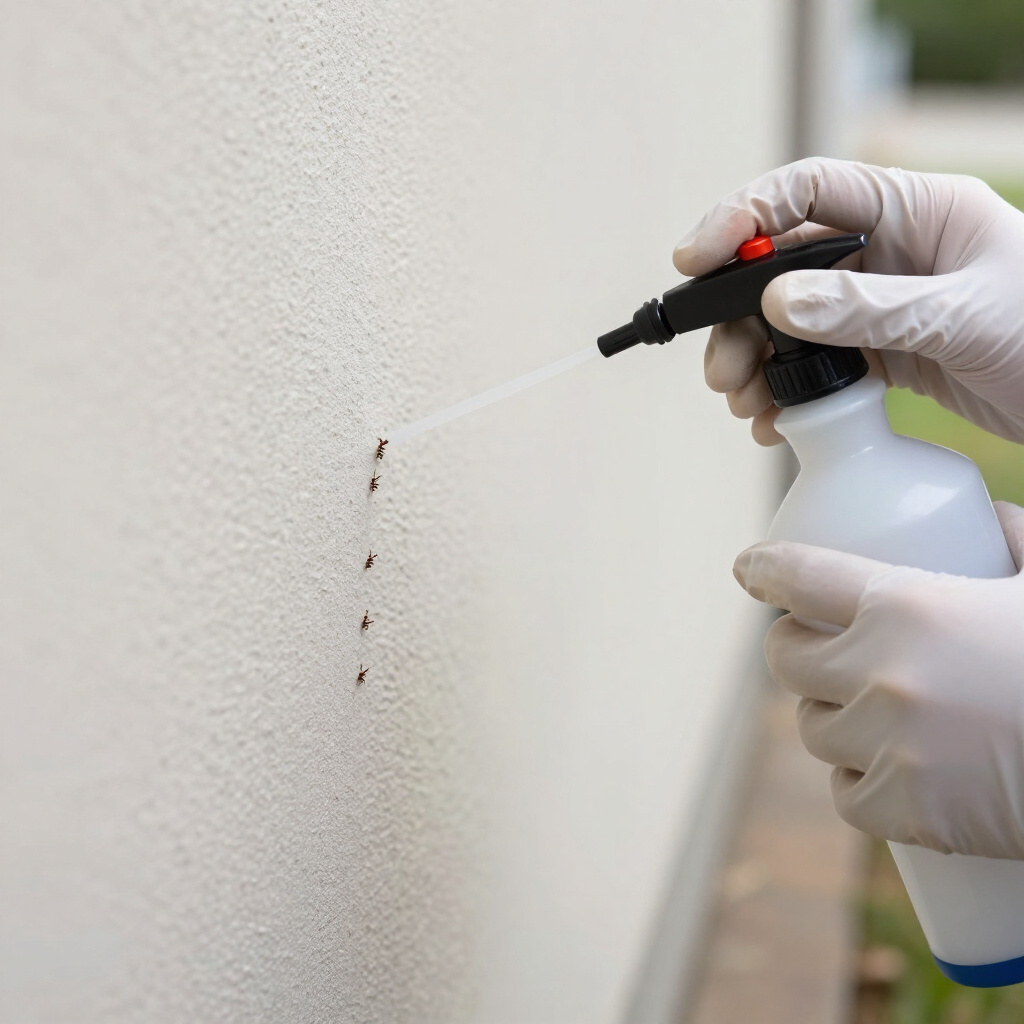

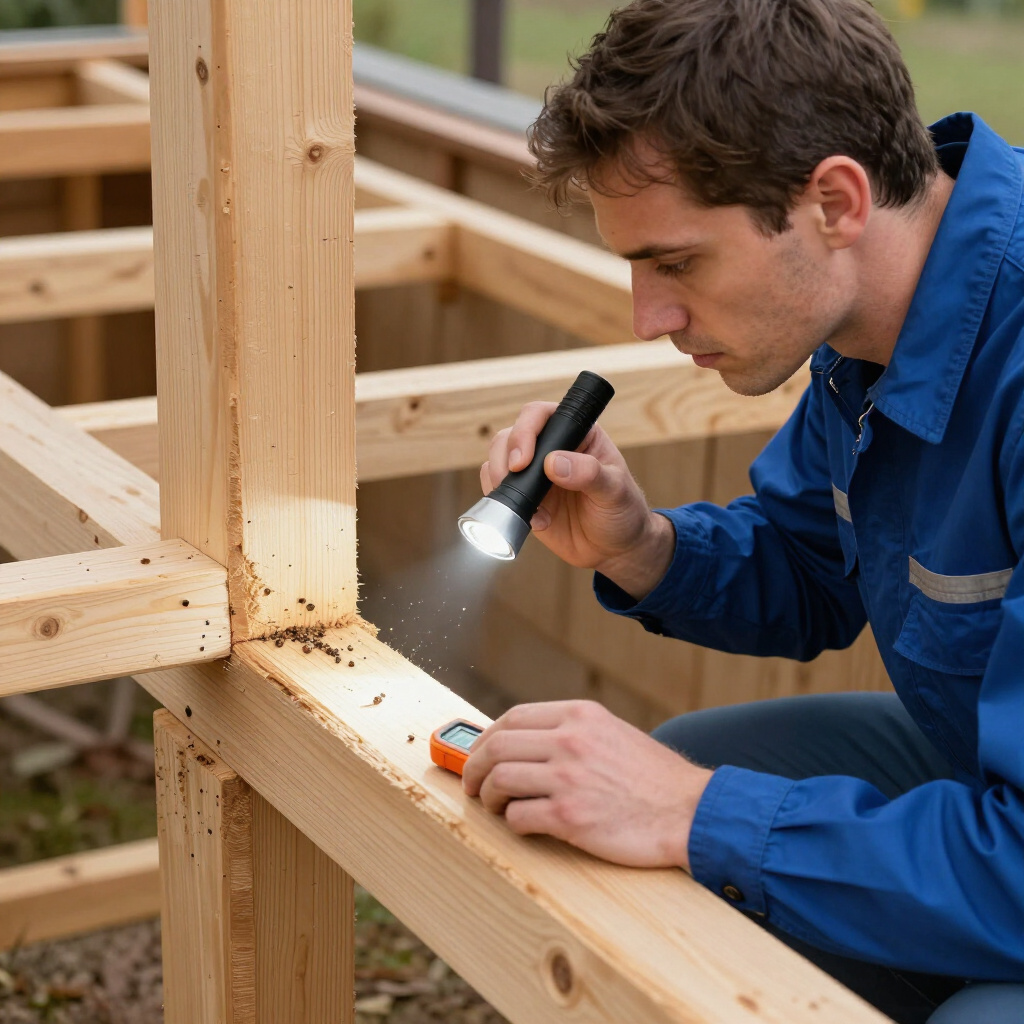
When ants march across your kitchen counter or aphids cluster on your tomato plants, reaching for a harsh chemical spray might feel like your only option. But more homeowners are discovering that natural pest control methods can be surprisingly effective—without the worry of toxic residues around children, pets, or pollinators. The key is knowing which approaches actually deliver results and how to apply them strategically. Let's explore proven natural solutions that solve real pest problems.
Natural Pest Control Starts with Prevention
The most powerful tool in your natural pest control arsenal isn't a product at all—it's prevention. Pests enter your home and garden for three reasons: food, water, and shelter. Eliminate these attractions, and you stop infestations before they begin.
Inside your home, store dry goods in airtight glass or metal containers rather than cardboard or plastic bags that rodents and insects can easily penetrate. Fix leaky faucets promptly, as even small water sources sustain cockroach and ant colonies. Seal cracks around windows, doors, and utility penetrations with caulk or steel wool; mice can squeeze through gaps as small as a dime.
In your garden, practice companion planting to naturally deter pests. Marigolds repel nematodes and whiteflies when planted near vegetables. Nasturtiums act as trap crops, drawing aphids away from your prized produce. Strong-scented herbs like rosemary, mint, and lavender confuse pest insects searching for host plants by masking the chemical signals they follow.
Healthy soil grows resilient plants. Amend your garden beds with compost annually, mulch to retain moisture and regulate soil temperature, and rotate crops each season to disrupt pest life cycles. A stressed, nutrient-deficient plant broadcasts vulnerability to insects much like a wounded animal attracts predators.
Effective Natural Treatments for Common Pests
When prevention isn't enough, several natural pest control treatments have earned their reputation through consistent real-world results.
Diatomaceous earth ranks among the most versatile natural pest control solutions. This fine powder consists of fossilized aquatic organisms with microscopic sharp edges. When crawling insects like ants, cockroaches, fleas, and bed bugs contact food-grade diatomaceous earth, it abrades their protective waxy coating, causing lethal dehydration within days. Apply a thin, visible layer along baseboards, behind appliances, and in garden soil. Reapply after rain or heavy dew, as moisture renders it temporarily ineffective. Always choose food-grade rather than pool-grade diatomaceous earth, and wear a mask during application to avoid respiratory irritation.
Neem oil, derived from the seeds of the neem tree, disrupts insect feeding and hormone systems. It proves particularly effective against soft-bodied pests including aphids, spider mites, whiteflies, and scale insects. Unlike broad-spectrum insecticides that kill indiscriminately, neem oil primarily affects insects that chew or suck plant tissues. Mix according to label directions and spray in early morning or evening to avoid leaf burn. Beneficial insects like bees and ladybugs suffer minimal impact because neem must be ingested to work, and these predators typically don't eat treated plant surfaces.
Essential oils offer targeted natural pest control when used correctly. Peppermint oil repels spiders, ants, and mice—mix fifteen drops with water in a spray bottle for perimeter treatment. Tea tree oil and eucalyptus oil demonstrate effectiveness against dust mites and certain stored product pests. Cedarwood oil serves as a traditional moth repellent for clothing storage. However, essential oils require more frequent reapplication than synthetic alternatives, typically every few days, and concentrated oils can irritate skin or harm pets if misused.
Beneficial insects and nematodes function as living natural pest control agents. Ladybugs, lacewings, and parasitic wasps consume aphids, caterpillars, and other destructive pests. Ground beetles patrol soil surfaces, devouring slugs, cutworms, and root maggots. Encourage these allies by planting diverse flowering species that provide nectar and pollen, and avoid broad-spectrum treatments that harm them. For soil-dwelling pests, beneficial nematodes—microscopic roundworms—seek out and kill grubs, fleas, fungus gnats, and root weevils without affecting earthworms or plants.
Physical barriers and traps complete your natural pest control toolkit. Row covers exclude cabbage worms and flea beetles from vegetable crops. Copper tape creates an electrifying barrier that slugs and snails refuse to cross. Sticky traps monitor and reduce flying insect populations indoors. Pheromone traps disrupt mating for specific pests like pantry moths and some fruit tree insects.
Key Tips for Success with Natural Methods
Natural pest control demands patience and precision that chemical shortcuts don't require. Apply treatments directly where pests live and travel rather than broadcasting widely. Identify your pest correctly—solutions for carpenter ants differ significantly from those for sugar ants. Monitor treated areas and reapply before populations rebound.
Combine multiple approaches for best results. A single method rarely solves established infestations alone. Pair exclusion techniques with biological controls, or follow diatomaceous earth applications with habitat modifications that prevent reinfestation.
Accept reasonable thresholds. A few aphids on a robust plant rarely cause meaningful damage, and eliminating them entirely may kill the ladybug larvae that would have controlled them naturally. Natural pest control works with ecological balance rather than against it.
Finally, recognize when professional intervention becomes necessary. Severe termite infestations, extensive bed bug populations, or pests posing health risks like venomous spiders may require integrated approaches beyond what natural methods alone can achieve. Reputable pest control professionals can incorporate natural solutions into broader management plans.
Final Thoughts
Natural pest control methods absolutely work when applied with knowledge and consistency. Prevention forms your foundation—seal entry points, eliminate attractants, and cultivate garden health. When active treatment becomes necessary, diatomaceous earth, neem oil, beneficial organisms, and physical controls provide proven results without the environmental and health concerns of synthetic pesticides. The investment in understanding your specific pest and selecting the appropriate natural approach pays dividends in safer homes, thriving gardens, and preserved beneficial wildlife. Start with one or two methods suited to your situation, observe results, and build your natural pest control practice from there.