

Finding unwelcome visitors in your home is never pleasant, especially when those visitors have six legs, scurry across your kitchen floor, or leave telltale droppings in your pantry. Household pests are more than a nuisance—they can damage your property, contaminate your food, and even trigger health issues. The good news? Most infestations are preventable with the right knowledge and a few proactive habits. In this guide, we'll walk through the most common household pests and share practical, proven strategies to keep them outside where they belong.
Most Common Household Pests and How to Prevent Them
Understanding which pests are likely to invade your home—and why—lays the groundwork for effective prevention. Here are the culprits every homeowner should know about.
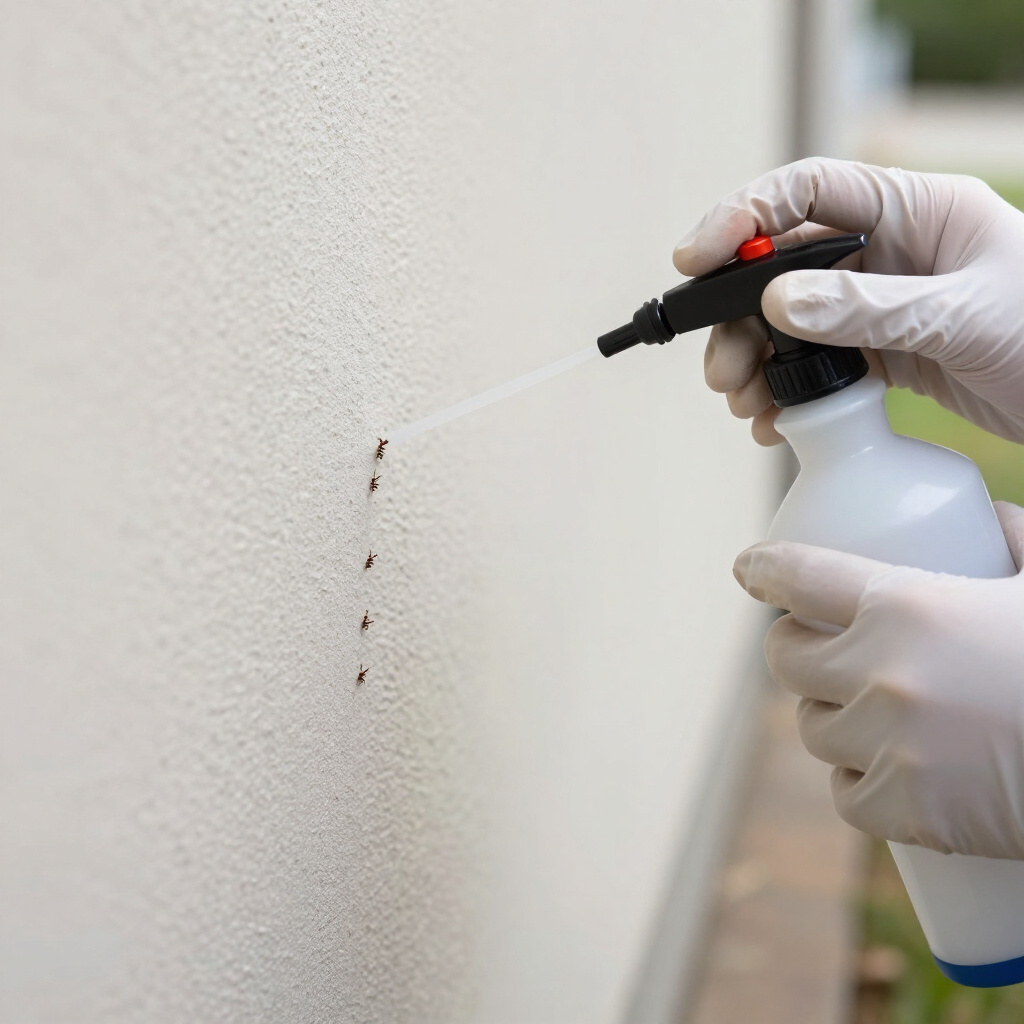
Ants rank among the most frequent invaders, drawn indoors by even the tiniest crumbs and moisture sources. Once a scout ant finds food, it leaves a pheromone trail that quickly summons hundreds of followers. Sugar ants and carpenter ants are particularly problematic, with the latter capable of damaging wooden structures over time.
Cockroaches thrive in warm, humid environments and can squeeze through gaps as thin as a dime. These resilient pests contaminate surfaces with bacteria and allergens, making prompt control essential for family health.
Spiders typically enter homes seeking prey insects. While most household spiders are harmless, their webs create an unkempt appearance and certain species warrant professional attention.
Rodents including mice and rats cause significant damage by gnawing on wires, insulation, and structural materials. They also spread disease through droppings and urine, making them one of the most serious household pest threats.
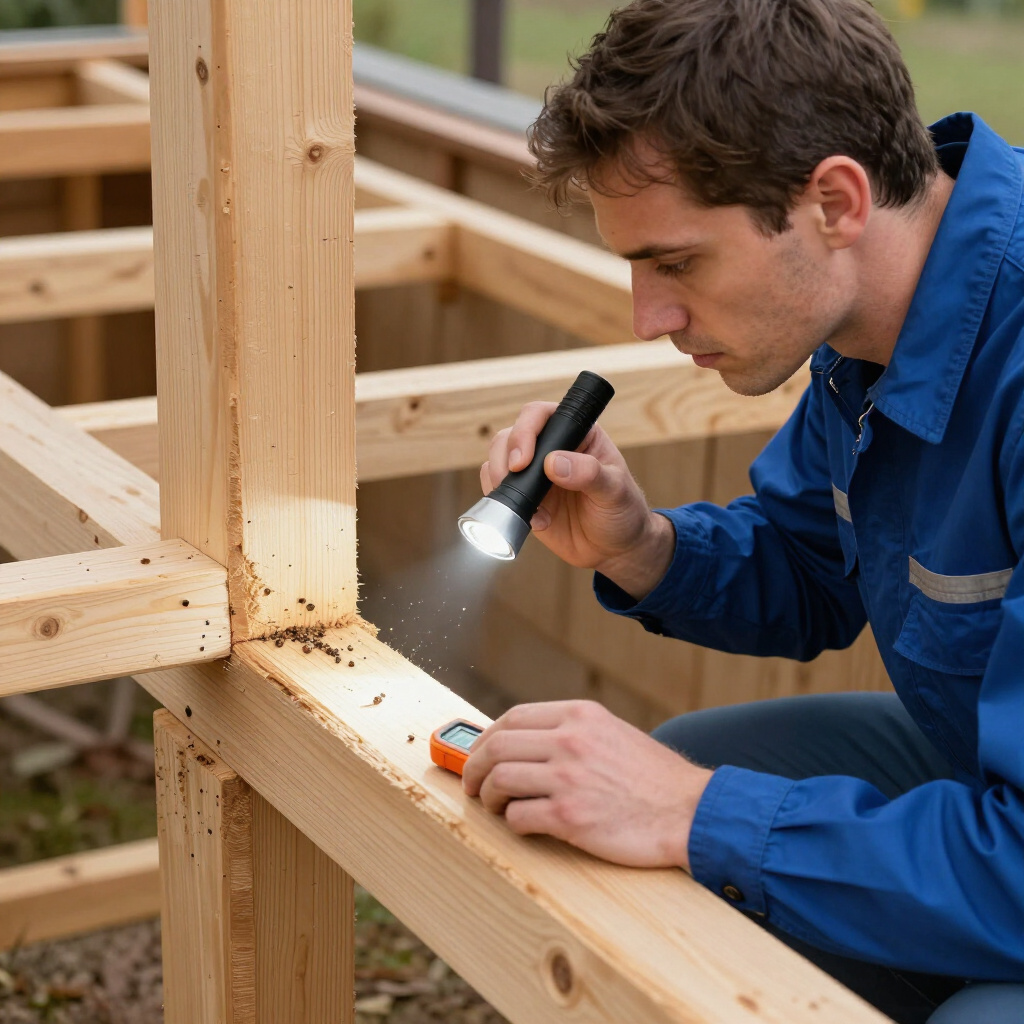
Termites work silently, often causing extensive damage before homeowners notice any signs. These wood-destroying insects require vigilant prevention and early detection.
Bed bugs hitchhike into homes on luggage, furniture, and clothing. Their bites cause itchy welts, and infestations spread rapidly without professional treatment.
Prevention Strategies That Actually Work
Effective pest control starts with making your home inhospitable to invaders. These targeted strategies address the specific attractants and entry points that draw household pests indoors.
Seal your perimeter. Inspect your home's exterior for cracks, gaps around utility lines, damaged weatherstripping, and tears in window screens. Even small openings provide highway access for insects and rodents. Use caulk, steel wool, or appropriate sealants to close these vulnerabilities—pay special attention to areas where different building materials meet.
Eliminate moisture sources. Many pests need water to survive. Fix leaky faucets, improve drainage around your foundation, and use dehumidifiers in damp basements or crawl spaces. Ensure gutters direct water away from your home rather than creating saturated soil near the foundation.
Store food properly. Transfer pantry items to airtight containers rather than keeping them in original packaging. Wipe down counters daily, sweep floors regularly, and don't leave pet food out overnight. Even small spills that go unnoticed can sustain an ant colony or cockroach population.
Manage your landscaping. Trim tree branches and shrubs so they don't touch your home's exterior—this eliminates natural bridges for pests. Keep firewood stacked at least twenty feet from your house and elevated off the ground. Maintain a tidy yard free of leaf litter and standing water that harbors mosquitoes and other insects.
Practice smart travel habits. When returning from trips, inspect luggage before bringing it indoors and wash clothing promptly. This simple routine helps prevent bed bug introductions that can escalate into full infestations.
Key Tips for Long-Term Protection
Consistent maintenance makes the difference between occasional pest sightings and chronic problems. Incorporate these habits into your regular household routine for lasting protection.
Schedule seasonal inspections of your home's exterior, ideally in spring and fall when pest activity transitions. Look for new cracks, deteriorating seals, and signs of pest activity rather than waiting for obvious infestations to develop.
Keep indoor spaces tidy and clutter-free. Piles of paper, cardboard boxes, and unused items create ideal hiding spots for spiders, cockroaches, and rodents. Regular decluttering eliminates harborage areas and makes early detection easier.
Address pest problems at the first sign rather than hoping they'll resolve themselves. A few ants on the counter can become a trail within days. Early intervention is simpler, less expensive, and more effective than managing established infestations.
Consider professional preventive treatments for high-risk situations, such as homes with previous termite damage, properties near wooded areas, or residences in regions with heavy pest pressure. A qualified pest control specialist can apply targeted barriers and monitoring systems that supplement your own efforts.
Final Thoughts
Protecting your home from pests doesn't require complicated measures—just consistent attention to the fundamentals that matter. By understanding the most common household pests and how to prevent them, you can dramatically reduce your risk of infestations while maintaining a healthier, more comfortable living environment. Start with sealing entry points, eliminating attractants, and establishing regular maintenance routines. When problems exceed your comfort level or expertise, don't hesitate to contact a professional who can assess your specific situation and implement targeted solutions. A proactive approach today saves significant stress, expense, and disruption tomorrow.