
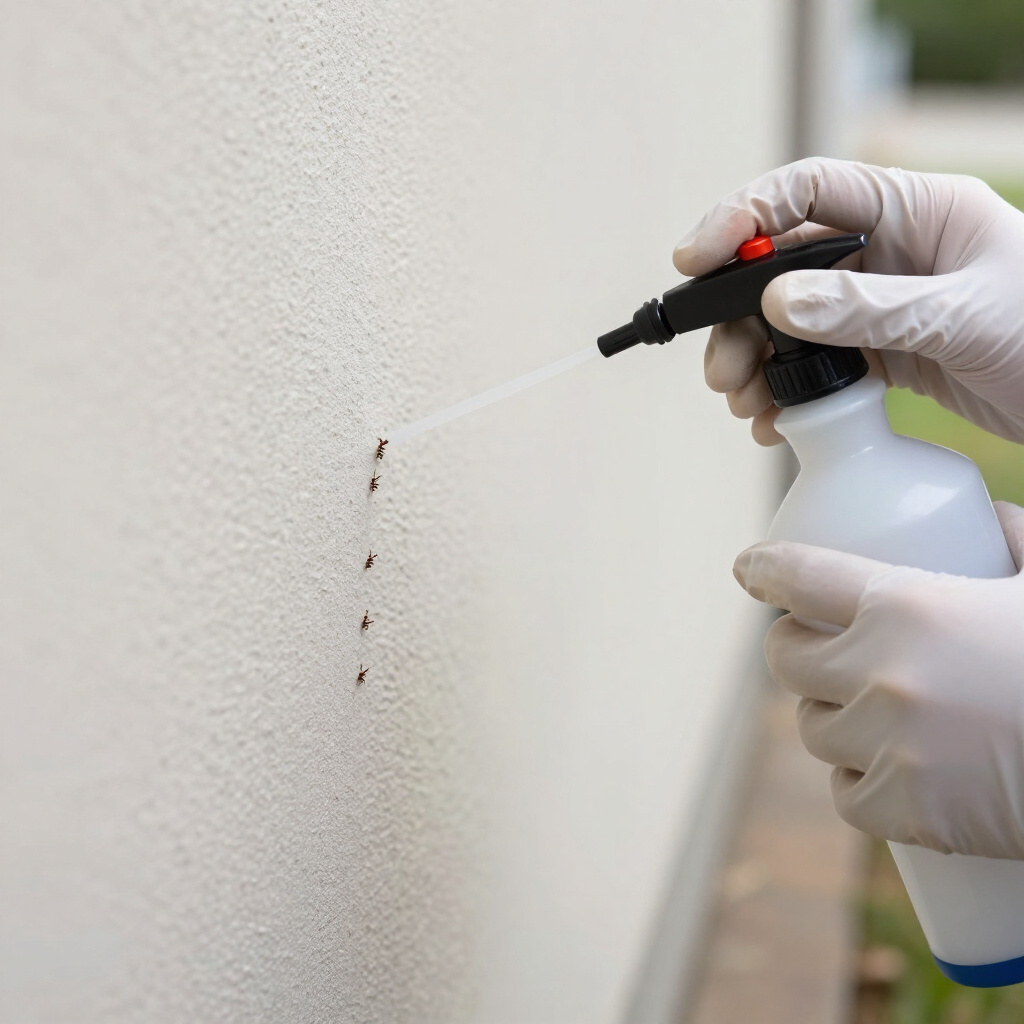


There's nothing quite like the frustration of spotting a trail of ants marching across your kitchen counter or finding them clustered around a forgotten crumb. These tiny invaders seem to appear out of nowhere, and once they establish a scent trail, hundreds more can follow within hours. The good news? With the right approach, you can make your home far less appealing to ants and stop problems before they start.
How to Prevent Ants From Invading Your Home Starts With Understanding Their Behavior
Ants don't randomly wander into your living space—they're on a mission. Worker ants scout for food, water, and safe harborage, then leave behind a pheromone trail that guides the entire colony straight to the source. This is why you'll often see ants traveling in such disciplined lines along baseboards, countertops, and walls.
Most ant species that bother homeowners are attracted to sweets, proteins, and greasy residues. However, their preferences can shift seasonally. In spring, they may seek sugary foods to fuel colony growth. During hot, dry periods, water becomes their primary target. Understanding this flexibility helps you stay vigilant year-round rather than letting your guard down after eliminating one food source.
The colonies themselves typically nest outdoors in soil, rotting wood, or mulch beds, though some species like carpenter ants and pharaoh ants establish satellite nests inside walls or voids. This means even immaculate kitchens can experience invasions if ants find entry points and the conditions they need nearby.
Seal Entry Points to Block Ant Access
Adult ants can squeeze through incredibly small gaps—roughly the width of a pencil lead for many species. A thorough inspection of your home's exterior and interior perimeter is one of the most effective preventative measures you can take.
Start by examining areas where utilities enter your home: plumbing penetrations, electrical conduits, cable lines, and HVAC refrigerant lines. These often have gaps that expand and contract with temperature changes. Apply silicone caulk to seal smaller openings, and use steel wool combined with caulk for larger gaps where rodents might also be a concern.
Door sweeps and weatherstripping deserve attention too. Check under exterior doors, garage doors, and even pet doors for worn seals that ants could slip beneath. Window screens with tears or ill-fitting frames create additional vulnerabilities. Don't overlook foundation cracks, gaps where siding meets trim, and spaces around outdoor faucets.
Indoors, pay special attention to kitchens and bathrooms. Caulk along backsplashes, around sink basins, and where pipes emerge from walls. These areas combine food or moisture with potential wall void access—exactly what scouting ants seek.
Key Tips for Eliminating What Attracts Ants
Prevention fails when ants find what they're looking for. Consistent sanitation and smart storage practices form your second line of defense.
Kitchen cleanliness matters most. Wipe counters daily with soapy water or vinegar solution to remove both food residues and the scent trails ants follow. Don't let dishes pile up in sinks overnight. Sweep floors regularly, pulling out appliances periodically to clean beneath and behind them where crumbs accumulate. Empty trash cans frequently, and use containers with tight-fitting lids.
Store food strategically. Keep pantry items in sealed glass, metal, or hard plastic containers rather than original packaging that ants can penetrate. This applies to pet food too—don't leave bowls out continuously, and store bags in airtight bins.
Manage moisture diligently. Fix leaky faucets and pipes promptly. Ensure bathrooms vent properly after showers. Address condensation on pipes in basements or crawl spaces. Even small water sources can sustain foraging ants and signal scouts that your home offers what the colony needs.
Landscape with awareness. Trim tree branches and shrubs so they don't touch your home's exterior—these serve as natural bridges. Keep mulch, firewood, and decorative rock several inches away from foundations where possible. Avoid overwatering lawns and beds, as saturated soil drives ants to seek drier ground.
Be cautious with DIY baits. If you spot scouts but no established trail, resist spraying them with household cleaners or pesticides. Killing scouts randomly often causes the colony to send more in different directions. Instead, use this early detection to intensify your cleaning and sealing efforts, or apply targeted bait formulations that workers carry back to the nest.
Final Thoughts
Preventing ant invasions isn't about achieving a single perfect action—it's about building layers of protection that work together. Seal access points thoroughly, eliminate the food and moisture that sustain colonies, and maintain vigilance with regular cleaning habits. These efforts dramatically reduce your likelihood of dealing with major infestations.
Sometimes, despite your best prevention efforts, established colonies persist or multiple species complicate treatment. When ants keep returning, professional evaluation can identify hidden nests, species-specific behaviors, and structural conditions you might have missed. Experienced pest control technicians also have access to professional-grade barriers and bait systems that complement what homeowners can accomplish alone.
The key is acting early. One ant on your counter is a warning, not an isolated incident. Treat it seriously, and you'll save yourself the stress of managing a full-blown invasion later.