
When ants march across your kitchen counter or a wasp nest appears near your back door, the first question most homeowners face is whether to tackle the problem themselves or call in an expert. Both approaches have their place, and the right choice depends on the pest you're dealing with, the severity of the infestation, and your comfort level with chemicals and critters. Let's break down what you need to know to make a smart, safe decision for your home and family.
DIY Pest Control vs Hiring a Professional: Knowing When Each Approach Works
DIY pest control vs hiring a professional isn't always an either-or proposition—sometimes it's about knowing which situations you can handle and which demand trained expertise.
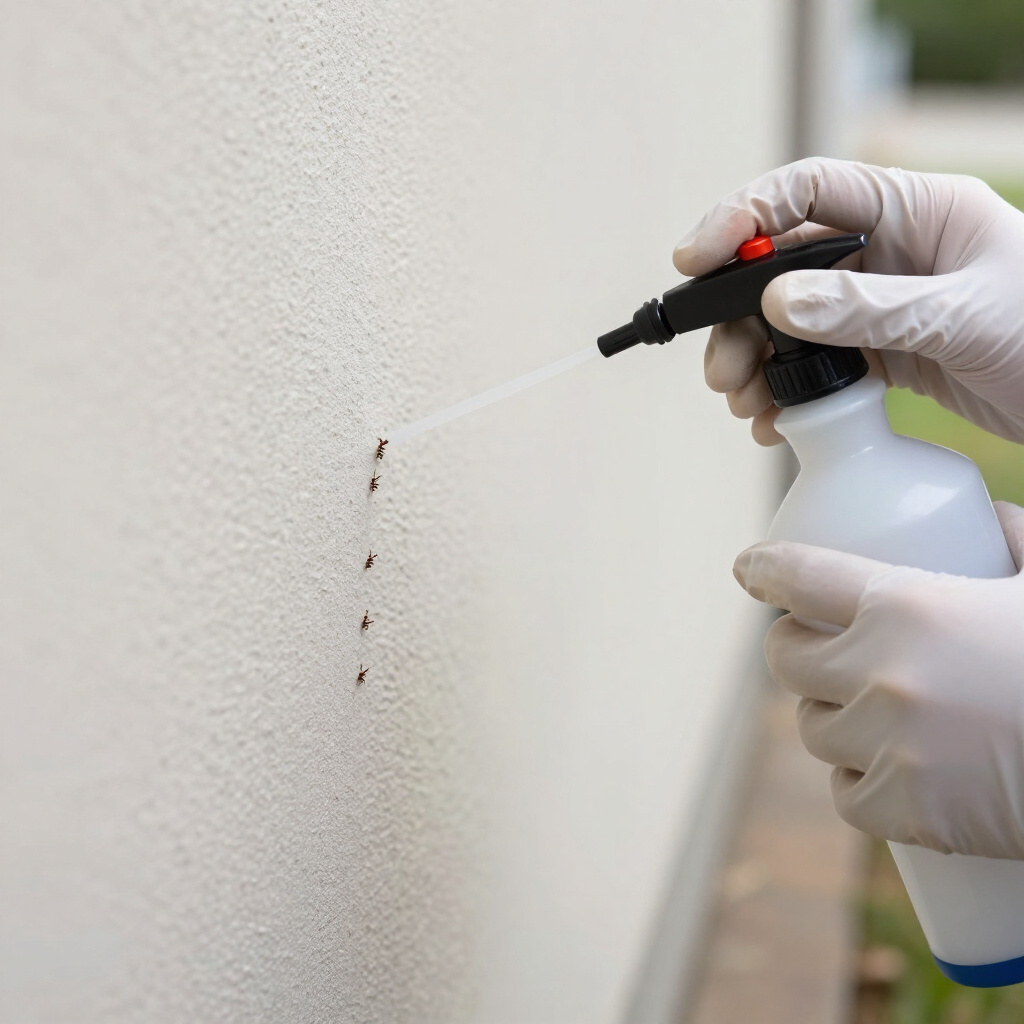
When DIY makes sense: Minor, early-stage problems often respond well to store-bought solutions. A few ants trailing to a dropped crumb, the occasional spider in a basement corner, or a single wasp nest that's easily accessible and small can typically be managed on your own. Over-the-counter sprays, bait stations, and preventive measures like sealing cracks and eliminating food sources work effectively for these limited scenarios. DIY also offers immediate action without scheduling delays, and the upfront cost is usually lower.
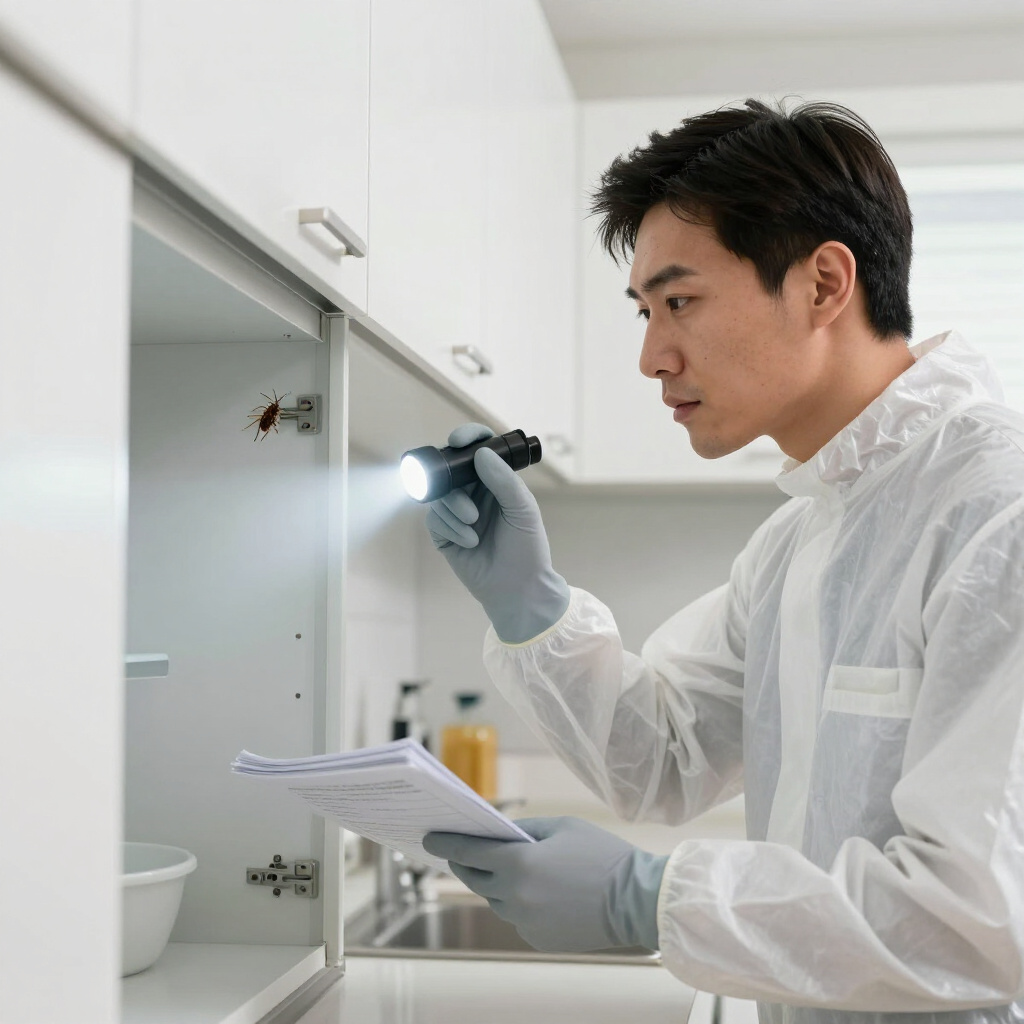
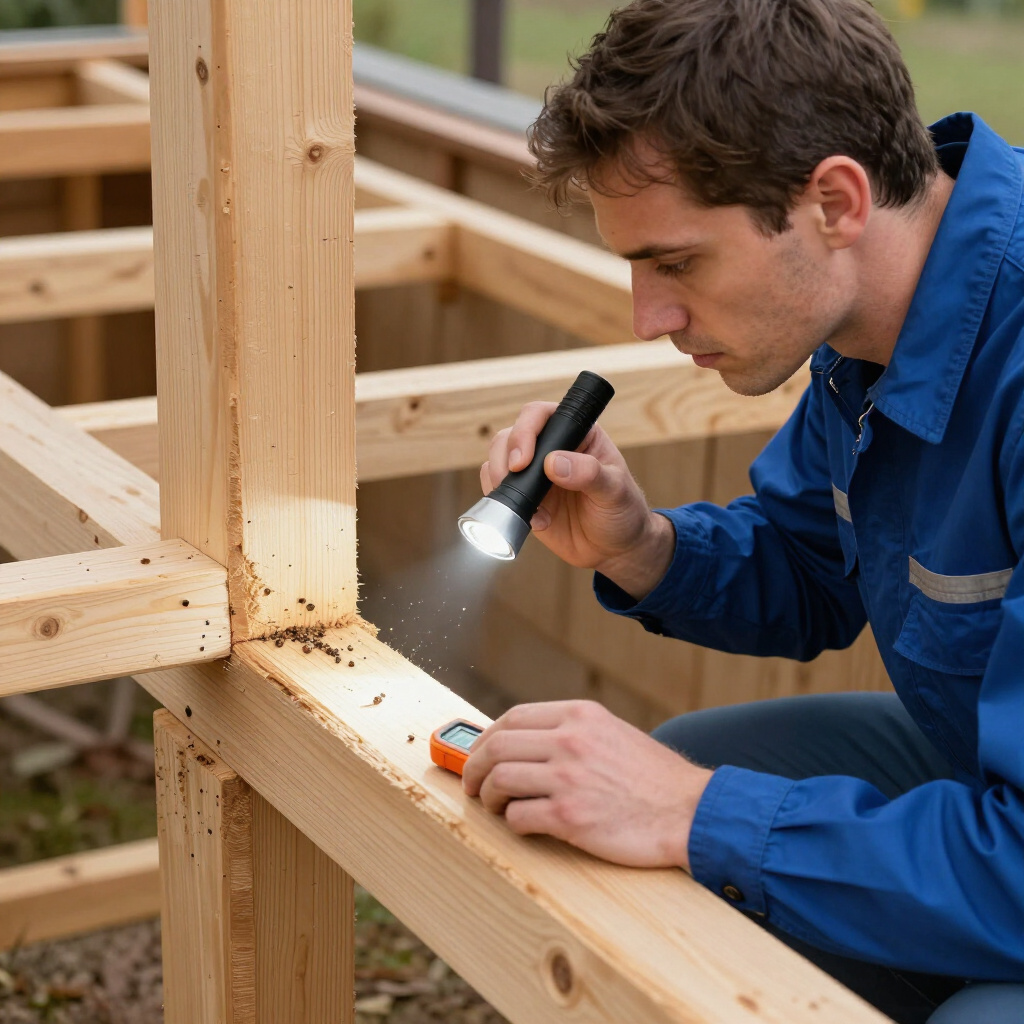
When to hire a professional: Recurring infestations, pests that pose health risks (like rodents or cockroaches), wood-destroying organisms such as termites, and large or hidden nests all warrant expert intervention. Professionals bring targeted pesticides that aren't available to consumers, specialized equipment for hard-to-reach areas, and trained eyes that spot signs of problems you might miss. They also understand pest biology and behavior, allowing them to address the root cause rather than just the visible symptoms.
The stakes rise significantly with certain pests. Bed bugs, for example, have developed resistance to many common insecticides and require integrated treatment approaches. Misapplication of DIY products can actually spread the infestation by driving bugs into new areas. Similarly, attempting to remove a large bee or wasp hive without proper protective gear creates genuine danger, especially for anyone with sting allergies.
Understanding the True Costs and Risks
At first glance, DIY pest control appears more budget-friendly. A $15 can of spray seems preferable to a professional service call. However, this comparison rarely tells the full story.
DIY attempts that fail often lead to larger, more entrenched infestations. What started as a manageable ant problem can become a colony established within your walls, requiring extensive—and expensive—professional remediation. There's also the cost of your time: researching solutions, purchasing products, applying treatments repeatedly, and cleaning up afterward adds up quickly. Factor in potential damage to your home from pests left unchecked, and the savings become questionable.
Safety represents another crucial consideration. Misusing pesticides can harm children, pets, and beneficial wildlife. Applying the wrong product in the wrong place—such as using outdoor formulations indoors or treating food-preparation surfaces improperly—creates health hazards. Professionals are trained in application techniques, proper dosages, and safety protocols that protect your household while effectively targeting pests.
Many pest control companies also offer guarantees and follow-up services. If the problem persists, they'll return at no additional charge. DIY places all the risk squarely on your shoulders.
Key Tips for Making the Right Choice
Before deciding between DIY pest control vs hiring a professional, run through this practical checklist:
Assess the scope honestly. One or two sightings doesn't necessarily indicate a full-blown infestation, but multiple pests daily, droppings, damage to structures, or noises in walls suggest a bigger problem. Take photos and note when and where you observe activity.
Research the specific pest. Some invaders are genuinely manageable with persistence and the right products. Others, like German cockroaches or subterranean termites, almost always require professional-grade treatment. Understanding the pest's habits helps you evaluate whether your efforts are likely to succeed.
Know your limits. Be realistic about your physical ability to access treatment areas, your comfort handling chemicals, and your tolerance for the pests themselves. Some people simply cannot tolerate spiders or rodents enough to deal with them directly—and that's completely valid.
Consider prevention as ongoing DIY. Even if you hire professionals for active infestations, there's plenty homeowners can do preventively: maintain clean gutters, store food in sealed containers, repair screens and weatherstripping, eliminate standing water, and keep vegetation trimmed back from the house. These measures reduce pest pressure and make professional treatments more effective when needed.
Verify credentials if going pro. When hiring, look for licensed, insured companies with solid local reputations. Ask about their treatment methods, whether they offer eco-friendly options, and what follow-up services include. A trustworthy professional will explain their approach clearly without pressuring you into unnecessary services.
Final Thoughts
There's no universal answer in the debate of DIY pest control vs hiring a professional. The best approach often combines both: diligent prevention and minor problem-solving on your part, with professional expertise reserved for complex, dangerous, or persistent situations. Trust your instincts when a problem feels beyond your capabilities, and don't let pride or short-term savings lead to long-term headaches. Your home deserves effective protection, and sometimes that means knowing when to make the call.